
Exfoliation | June
QUICK TAKE: SKIN RENEWS ITSELF NATURALLY EVERY ~30 DAYS
- Skin renews itself naturally every ~30 days, but aging, sun exposure, and stress slow that cycle down. Exfoliation helps keep it on track.
- Key benefits include smoother texture, a more even-looking complexion, clearer pores, and better absorption of everything else in your skincare system.
- Watch for these five signs: dull or uneven skin tone, rough texture, clogged pores or breakouts, dry flaky patches, and fine lines that look more pronounced than usual.
- There are three types of exfoliants: physical (granular particles that manually remove dead cells), chemical (AHAs and BHAs that dissolve the bonds between them), and enzyme peels (gentle, fruit-derived exfoliation).
- Matching the right type to your skin matters. AHAs work well for dry, dull, or aging skin. BHAs are better for oily or blemish-prone skin. Enzyme peels are the gentlest option for sensitive skin.
- Once or twice a week is enough for most skin types. Always follow with a moisturizer and, crucially, sunscreen.
Five Signs That Your Skin Needs Exfoliation, and How to Choose the Right Exfoliator
By ZO® Skin Health
If your skin has been looking a little flat lately, or feels rough no matter how much moisturizer you use, it might be telling you something. Dullness, uneven texture, and congested pores are among the most common signs that your skin's natural renewal cycle needs support, and exfoliation is one of the most effective ways to provide it.
Knowing which type of exfoliant to use, and how often, makes the whole thing much more straightforward than it might seem. Ingredients like alpha hydroxy acids (AHAs), beta hydroxy acids (BHAs), and the fruit-derived enzymes found in enzyme peels have been clinically shown to improve skin brightness, softness, and the appearance of uneven tone. Once you know what to look for and what you're working with, incorporating exfoliation into your homecare system is genuinely simple.
Why Exfoliation is Essential for Healthy Skin
Your skin is already exfoliating itself. As part of its natural renewal cycle, the outermost layer sheds dead cells and replaces them with new ones produced in the deeper layers of the epidermis. For younger skin, that cycle runs close to 28 days. As you get older, or when skin is dealing with chronic sun exposure, poor sleep, or environmental stress, that cycle can stretch to 45 days or more.
Dead cells then accumulate on the surface faster than the skin sheds them. That layer mutes your tone, roughens your texture, and creates a physical barrier that reduces how well serums and treatments can absorb. Exfoliation shortens that functional gap. It doesn't replace what skin does on its own. It supports and accelerates it, so everything else in your regimen can do its job more effectively.
Five Signs Your Skin Needs Exfoliation
Not all of these will show up at once, and no single sign is a guarantee. But if a few of them sound familiar, your skin is probably ready for more consistent exfoliation.
- Dull or Uneven Skin Tone
When dead cells build up on the surface, they scatter light unevenly, leaving the complexion looking flat rather than clear and healthy. Exfoliation clears that layer and allows the fresher, more even-toned skin beneath to show through. - Rough or Bumpy Texture
Skin that feels rough or uneven to the touch, particularly across the forehead, chin, or cheeks, is often carrying retained dead cells. Exfoliation addresses the buildup directly, leaving skin noticeably smoother to the touch. - Clogged Pores and Breakouts
When dead cells, excess sebum, and debris accumulate faster than the skin can clear them, you get congestion: blackheads, whiteheads, and that persistent rough texture around the nose and chin that cleansing alone can't resolve. Regular exfoliation keeps that accumulation in check. - Dry, Flaky Patches
Flakiness is often the most visible sign of dead cell buildup. When that layer accumulates, it reduces the skin's ability to hold moisture in the layers below, so products that used to absorb easily start to feel like they're sitting on the surface. Clearing the buildup first makes hydration work the way it's supposed to. Regular exfoliation supports healthy cell turnover and improves the skin's ability to maintain balanced hydration. - Fine Lines That Look More Pronounced
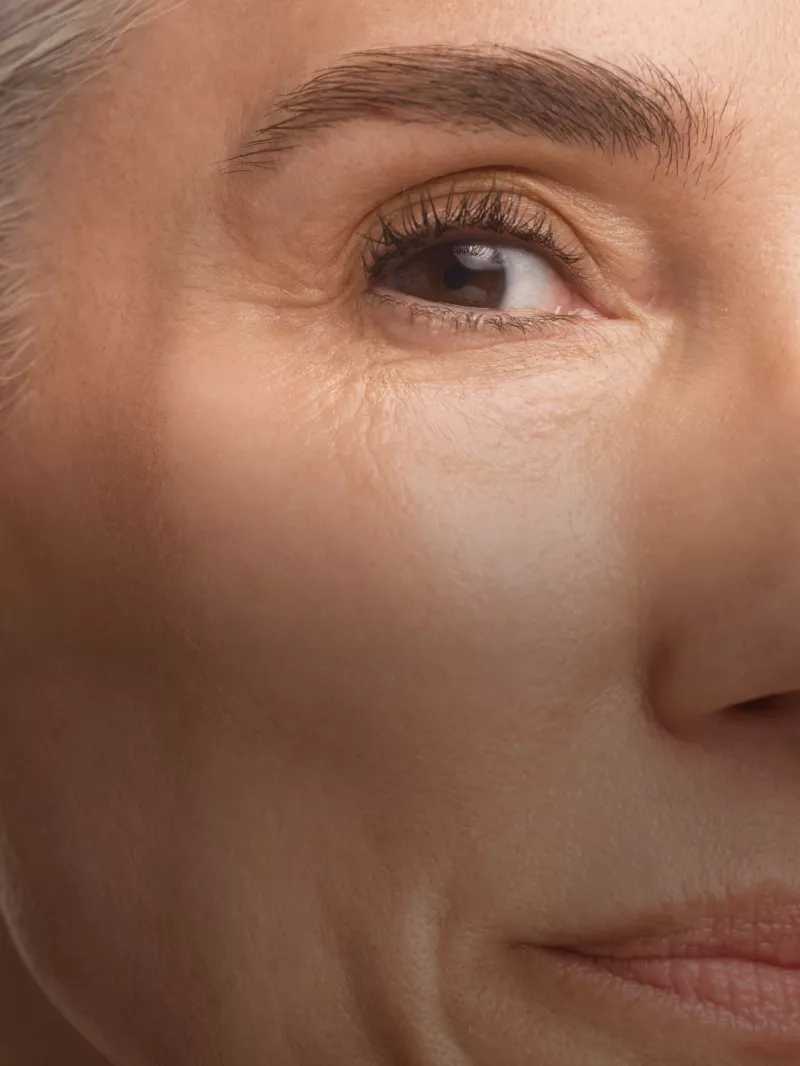
Dead cell buildup doesn't create fine lines, but it does make them more visible. Uneven surface texture catches light in a way that makes shallow lines appear deeper than they are. Regular exfoliation smooths that surface, which can noticeably reduce how prominent those lines look.
Three Types of Exfoliants: Physical, Chemical, and Enzyme Peels
Not all exfoliants work the same way, and the differences matter when it comes to choosing the right one for your skin.
Physical Exfoliants
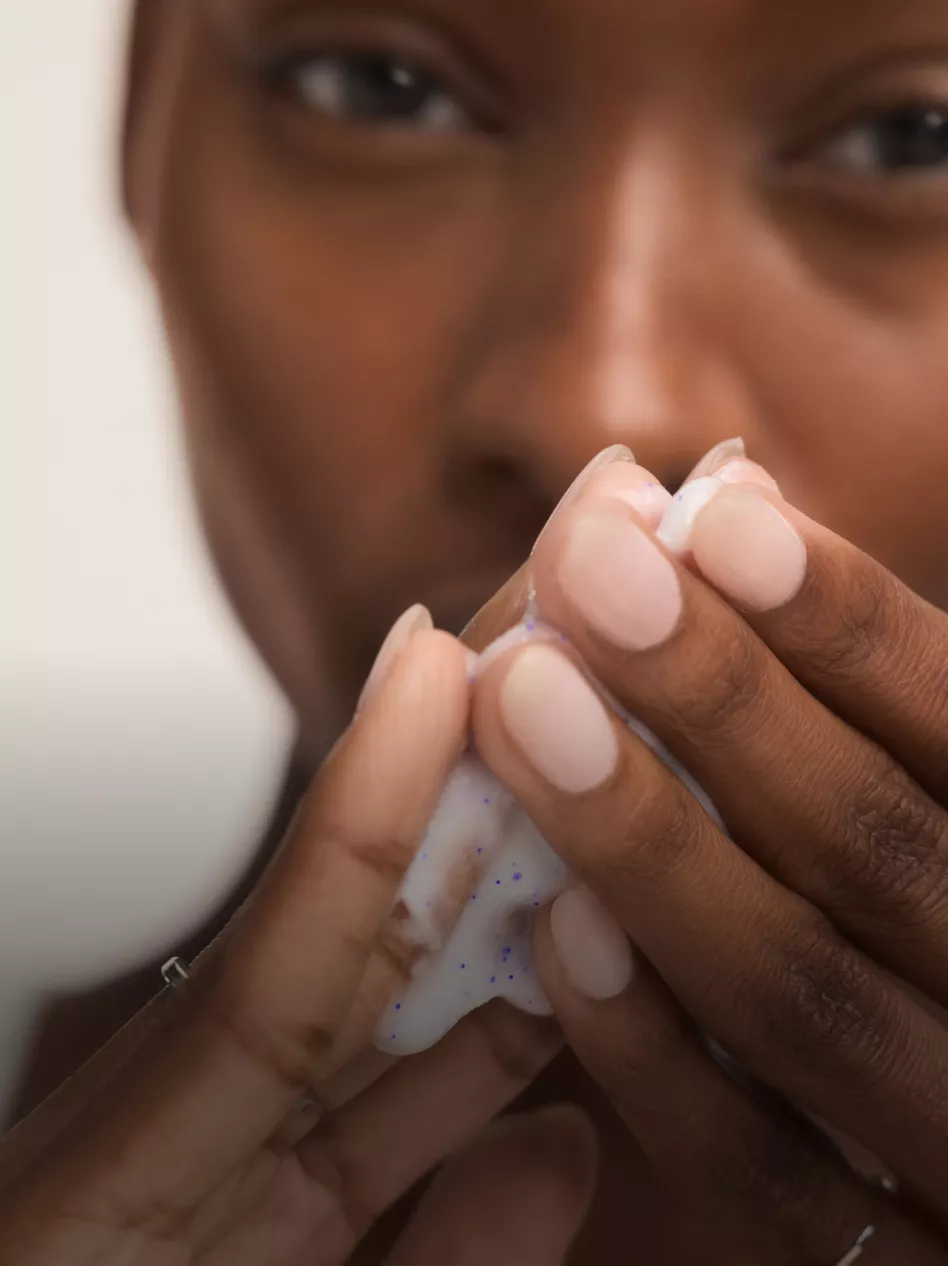
Physical exfoliants use granular particles to manually dislodge dead cells from the surface. Particle quality matters: coarse, irregular materials like crushed shells can cause micro-abrasions over time, while rounded or ultra-fine options, like the magnesium oxide crystals in ZO's Exfoliating Skin Polish, deliver controlled exfoliation without that risk. Best suited to normal skin dealing with surface roughness.
Chemical Exfoliants
Chemical exfoliants use acids to dissolve the bonds between dead cells without any physical manipulation. AHAs like glycolic and lactic acid work at the surface, improving tone, texture, and the appearance of fine lines. BHAs like salicylic acid are oil-soluble and penetrate into the follicle, making them a better fit for oily or congestion-prone skin. ZO's Exfoliation Accelerator combines a 10% glycolic and lactic acid blend with calming actives for skin that needs more targeted renewal support. The Dual Action Scrub layers both physical and chemical exfoliation in one formulation, designed for oily to blemish-prone skin.
Enzyme Peels
Enzyme peels use fruit-derived enzymes, typically papain from papaya or bromelain from pineapple, to digest dead cells at the surface without acid strength or physical friction. They're the most tolerated option for sensitive and reactive skin types. ZO's Enzymatic Peel pairs fruit enzymes with AHA acids and barrier-supportive actives for an approach that exfoliates and reinforces at the same time.
How to Incorporate Exfoliation into Your Skincare Routine
Match the Exfoliant to Your Skin Type
This is the most important step. The right exfoliant isn't the most potent one or the most popular one. It's the one that works with your skin.
- Sensitive or reactive skin: Enzyme peels or mild AHA formulations like lactic acid. Avoid physical exfoliants with irregular or coarse particles.
- Oily or blemish-prone skin: BHA-based exfoliants with salicylic acid. The Dual Action Scrub, which combines physical and chemical exfoliation in one formulation, works well for this profile.
- Dry or aging skin: AHA-based exfoliants (glycolic or lactic acid) or enzyme peels. Physical options work too, provided they use finely milled, non-abrasive particles.
- Normal skin with textural concerns: Physical or chemical exfoliants, once or twice weekly.
Always Follow with Toning, Hydration, and Sunscreen
After exfoliating, toning is the step that's most often skipped and most worth keeping. A well-formulated toner helps rebalance skin's surface, refine the appearance of pores, and prepare skin to absorb the products that follow more effectively. From there, apply a hydrator to support the barrier. And if you're exfoliating regularly without wearing daily broad-spectrum sunscreen, you're working against yourself: exfoliation increases photosensitivity, particularly with AHA-based products, and sun protection is what keeps newly cleared skin from accumulating the same kind of damage that made exfoliation necessary in the first place.
Exfoliation works best as part of a structured sequence, not as a standalone step. ZO's Getting Skin Ready® protocol is built on exactly that logic. Step 1 of the ZO system, GSR moves through cleanse, exfoliate, and tone in that order, working synergistically to normalize skin function and open pathways for the treatment products that follow. Each step depends on the one before it: exfoliation after cleansing means you're working on a clean surface; toning after exfoliation helps restore skin's balance and prime it for what comes next.
The Right Exfoliant Makes Everything Else Work Better
Exfoliation isn't complicated, but getting it right does make a difference. The wrong type used too often can compromise the barrier. The right type, used consistently and at the right frequency, keeps the skin's renewal cycle running well and makes everything else in your system work better.
If you're unsure which exfoliant is right for your skin, or if you've been dealing with sensitivity, persistent congestion, or uneven results despite regular exfoliation, it's worth speaking with an authorized ZO dermatologist or physician. They can assess your skin directly and recommend the right protocol, rather than leaving you to work it out through trial and error. Find a ZO provider near you.
Frequently Asked Questions About Exfoliation
Look for dullness or uneven tone, rough or bumpy texture, persistent clogged pores, dry flaky patches, or fine lines that appear more pronounced than usual. If a few of those sound familiar, it's likely that dead cell buildup is slowing your skin's renewal cycle and exfoliation would help.
Generally yes, but not in the same session. Combining multiple exfoliation methods at once increases irritation risk significantly. Some products, like ZO's Dual Action Scrub, are specifically formulated to combine both approaches in a single product with controlled concentrations that balance efficacy and tolerability. If you're using both types separately, space them out by a few days and watch how your skin responds.
Once or twice a week is appropriate for most skin types. Sensitive skin may do better with once weekly, or with a gentle enzyme peel used a little more frequently. Signs you're overdoing it include persistent redness, tightness, or flaking. Always start conservatively and adjust from there.
Yes, with the right formulation. Sensitive skin does much better with enzyme peels or mild AHA options than with physical scrubs or high-concentration acids. For blemish-prone skin, a BHA-based chemical exfoliant is the stronger fit, since salicylic acid can work within the pore rather than just on the surface.
AHA and BHA acids can help improve the appearance of post-breakout discoloration over time by supporting cell turnover and bringing newer, less pigmented cells to the surface. It's a gradual process. For more persistent or significant discoloration, a consultation with a ZO provider will help determine whether a more targeted protocol is the right next step.
Shop the Post
Enzymatic Peel

All Skin Types Anti-Aging TSA Approved
Dual Action Scrub

GSR® Oily + Blemish-Prone Skin AM or PM
Exfoliation Accelerator

All Skin Types Anti-Aging TSA Approved
Exfoliating Polish

GSR® All Skin Types Normal to Dry Skin