

Eye Cream vs. Eye Serum: How to Choose the Right One for Sensitive Skin
By ZO® Skin Health
The skin around the eyes is the most delicate on the face and the most unforgiving when the wrong product meets it. For those with sensitive skin, opening your skincare bag or medicine cabinet and wondering if you have too many products – or the best selection of the right ones – is surely overwhelming.
In fact, choosing the right product is more than just a matter of preference. It's a clinical decision. But if you’re equipped with expert tips and knowledge, you can make clinically confident choices about skin health products that deliver on results.
Today, let’s start with eye creams and eye serums: understanding the difference between the two, when using both may be necessary, and which active ingredients to look for if you have sensitive skin.
What is the Difference Between Eye Cream and Eye Serum?
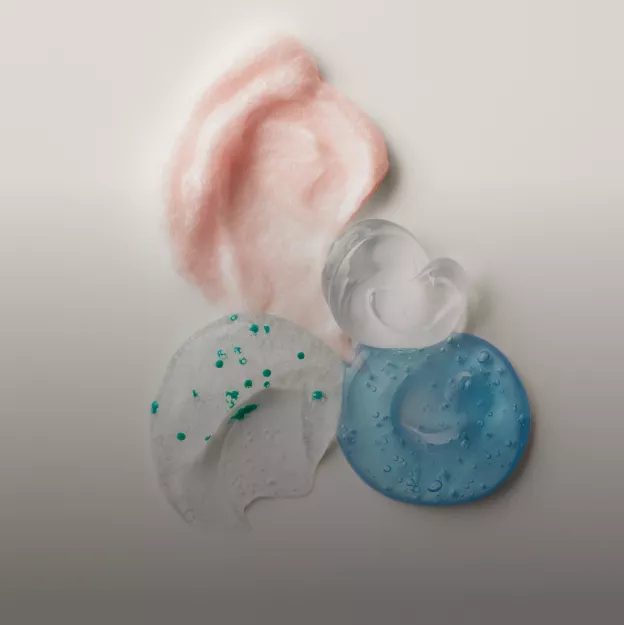
Eye care products typically come in two formulations: creams and serums. They can be used alone or layered (we’ll get to that later), but overall, think of creams as heavier and more hydrating and serums as lightweight, concentrated, and containing more active ingredients.
Eye Creams
- Thicker, emollient-based products that hydrate the delicate under-eye area
- Typically formulated with richer, heavier ingredients to lock in moisture and prevent dehydration
Eye Serums
- Lightweight, fast-absorbing treatments that deliver targeted active ingredients for specific concerns like puffiness, dark circles, and fine lines
- Often contain a higher concentration of active ingredients, making them ideal for quick, focused treatment
Active Ingredients in Eye Creams and Serums for Sensitive Skin
Products with active ingredients are defined as “clinical” or “medical-grade,” which means they are backed by dermatology and formulated to promote skin health. To make informed decisions on the right product for their skin care type and concerns, those with sensitive skin should be aware of some active ingredients in eye care creams and serums.
Hydrating Ingredients
- Hyaluronic Acid: Thanks to its excellent hydrating properties, hyaluronic acid helps plump the skin and reduce the appearance of fine lines without causing irritation.
- Glycerin: A gentle humectant that draws moisture into the skin, glycerin helps keep the under-eye area hydrated.
Calming Ingredients
- Aloe Vera: The plant-derived ingredient calms, soothes and hydrates the skin while reducing redness and inflammation
- Chamomile Extract: Known for its anti-inflammatory properties, chamomile helps calm irritated skin around the eyes.
Ingredients to Help Reduce Puffiness and Dark Circles
- Caffeine: A common ingredient in both eye creams and serums, caffeine helps constrict blood vessels and reduce puffiness and the appearance of dark circles.
- Vitamin C: Ideal for those who want to address their dark circles, vitamin C helps brighten the skin and reduce pigmentation.
Anti-Aging Ingredients
- Retinol (Vitamin A): Retinol is effective at stimulating collagen production. It smooths fine lines and wrinkles but can be irritating to sensitive skin. It’s more commonly found in eye serums than in creams.
- Peptides: Peptides repair the skin and boost collagen production, improving skin elasticity and reducing fine lines.
How to Choose Between Eye Cream and Eye Serum
Your skin is unique, and your eye care regimen needs to be based on your specific skin concerns and skin type. If you have additional questions after reading the checklist below, ask your physician or click here for personalized advice from ZO® Skin Health.
Consider Your Skin Concerns
- For Puffiness and Dark Circles: If these are your primary concerns, an eye serum with caffeine, vitamin C, or peptides will provide targeted treatment.
- For Dryness and Fine Lines: Choose an eye cream with moisturizing ingredients like glycerin or hyaluronic acid to lock in hydration.
Consider Your Skin Type
- Sensitive Skin: If you have sensitive skin, choose products based on the above concerns that are formulated with gentle, soothing ingredients. Avoid any with harsh exfoliants or strong fragrances.
- Oily Skin: A lightweight eye serum will provide treatment without feeling heavy on the skin.
Layering Both Products
- If you have multiple concerns, in some cases using both an eye cream and an eye serum will provide the best results. Apply serum first, allow it to fully absorb, then layer on eye cream for extra moisture and hydration.
Which Product Is Better for Sensitive Skin: Eye Cream or Eye Serum?
Determining whether eye cream nor eye serum is better for sensitive skin is a personal choice and depends on your concerns and skin type. Once you’ve determined your skin type and concerns, look for the ingredients that will help achieve the desired results.
Identifying the Best Eye Cream for Sensitive Skin
- Eye creams tend to be more moisturizing, making them ideal for sensitive skin that needs extra hydration and protection.
- Look for eye creams with gentle, soothing ingredients like aloe vera, chamomile or lavender, and avoid products with fragrances or alcohol.
Intense Eye Crème from ZO Skin Health is a retinol-based emollient crème with peptides and glycosaminoglycans that works across multiple pathways simultaneously: diminishing the appearance of fine lines and wrinkles, supporting skin health, boosting hydration, and protecting against free radical damage. Those with sensitive skin will find it contains lavender extract to calm and soothe the skin, while providing additional antioxidant protection.
Eye Serum for Irritation-Free Skin
- While serums are lightweight and fast-absorbing, they often contain potent active ingredients so they can be stronger than eye creams.
- Sensitive skin types should choose serums with calming ingredients like hyaluronic acid, peptides, or soothing botanicals and avoid those with harsh exfoliating agents like retinol.
To target loss of volume and the appearance of lines, wrinkles and eye creasing, Growth Factor Eye Serum from ZO Skin Health is a gel-like serum that contains growth factors + exclusive ZPRO® technology.
Applying Eye Cream and Serum the Right Way
Once you’re aware of these simple guidelines, applying eye cream and serum is fast and easy. If you would benefit from both a cream and a serum, as explained above, apply the serum first, allow time for it to absorb, then layer on a cream to lock in hydration. When applying, always remember: under-eye skin is extremely delicate so pat, dab, and press, don’t tug or drag.
Eye Serum Application
- Apply a few drops of serum to your fingertips and gently press it into the under-eye skin, focusing on problem areas.
- Wait for the serum to absorb fully before applying other products.
Eye Cream Application
- Gently tap a small amount of eye cream around the under-eye area using your ring finger, which applies the least pressure.
- Avoid tugging at the delicate skin.
Are There Any Risks of Using Eye Cream or Eye Serum?
Overuse and Sensitivity
- Overuse of active ingredients like retinol or vitamin C can lead to irritation, especially for sensitive skin.
- Always patch-test products before full application to avoid reactions.
Choosing the Wrong Ingredients
- Avoid eye creams or serums with harsh chemicals, alcohol, or fragrances if you have sensitive skin, as these can cause irritation and dryness.
Finding the Right Eye Product for Your Skin
Whether you use an eye cream, an eye serum, or both comes down to your specific concerns and how your skin responds to active ingredients. Both can be effective when formulated with the right ingredients for your specific needs.
Start with your primary concern, choose ingredients matched to that concern, and introduce products gradually.
For sensitive skin, prioritize soothing, hydrating, and gentle ingredients to reduce irritation, while addressing common under-eye issues like puffiness and dark circles. If you're layering, let each product absorb fully before applying the next.
The eye area rewards consistency and patience more than any other zone on the face. Remember: Small, deliberate choices made regularly tend to produce more meaningful results than aggressive treatment.
FAQs About Eye Cream and Serums
Yes, you can use a face serum and eye serum together. They complement each other yet address different concerns.
Yes, eye serums and eye creams can be layered and will provide optimal results if you have concerns that are met by both products. If layering, apply serum first, allow it to fully absorb, then layer on eye cream for extra moisture and hydration
Apply eye creams and/or eye serums am and pm.
Avoid harsh exfoliating ingredients and opt for products with soothing ingredients like hyaluronic acid, peptides, or soothing botanicals such as camomile or lavender. Retinol and vitamin C-based products are very effective, too, but should be used after a consultation with a physician.
Absolutely, if they are clinical or medical-grade. These products are formulated with active ingredients and clinically tested to help reduce the appearance of fine lines and wrinkles.
Shop the Post
Intense Eye Crème

All Skin Types Eye Care TSA Approved
Growth Factor Eye Serum

All Skin Types Eye Care TSA Approved
Eye Brightening Crème

All Skin Types Eye Care TSA Approved
Growth Factor Serum

Retinol Skin Brightener 0.25%

AM or PM All Skin Types Brightening
10 Percent Vitamin C Self-Activating

AM or PM All Skin Types Anti-Aging
Peptide Facial Refining Concentrate

Anti-Aging TSA Approved