.png?sw=1460&sh=700&q=40)
Exfoliation | Updated September 24 2026
Skin Renewal - How to Speed Up Cell Turnover for Smoother, Healthier Skin
Aligning with the body's ever-changing nature, skin renewal involves replacing old skin cells with fresh ones from beneath the surface. This comes with numerous advantages in skincare, from softer skin to a glowing complexion.
Understanding the science of this natural process can help you incorporate new products into your skincare routine with more intention to achieve a well-nourished glow.
What is skin renewal?
Skin renewal is a continuous process where old skin cells are shed, revealing fresh, new cells beneath. This cycle repeats endlessly as the skin works to regenerate itself. Often used interchangeably with the term 'skin regeneration', it refers to the complete replacement of worn or damaged tissue with new, healthier cells.
The outermost layers of skin, known as the epidermis, are mainly responsible for this renewal. As the skin cells are replaced, they leave behind smoother skin that contributes to a more radiant, youthful complexion.
What is the skin renewal process?
Our skin renews in the following way:
- New cells begin to form in the epidermis
- Older skin cells start to die and shed away
- The new cells are revealed
How long is the skin renewal process?
It's estimated that the epidermis generally renews every 28-42 days, depending on your age. The newer skin cells form in the lower epidermis and migrate upwards—a process that takes time.
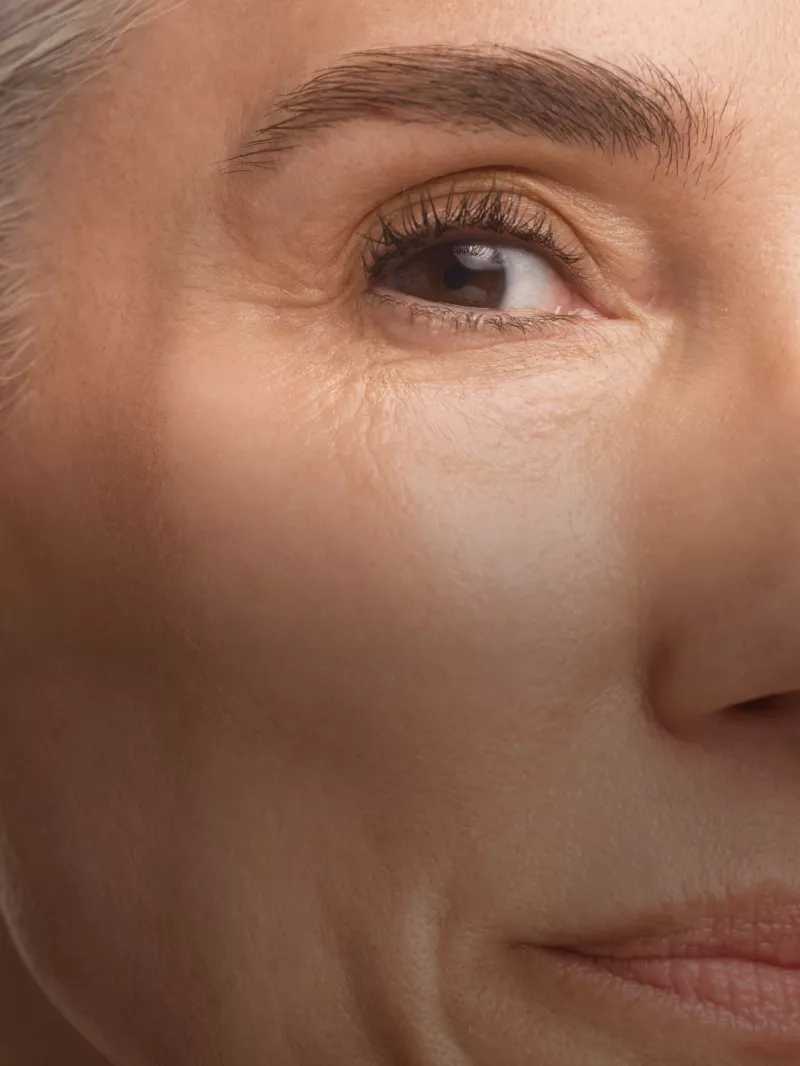
As we age, the skin renewal process slows down. This typically begins once we reach the age of 30, with a more drastic decline in our fifties.
What does skin renewing mean in skincare?
In skincare, skin renewing refers to the process of accelerating the natural turnover of skin cells.
Slower cell turnover can cause your skin to look dry or emphasize the appearance of fine lines or wrinkles. As this natural process slows with age, many turn to skin renewal skincare solutions as part of their anti-aging efforts. The right combination of products and lifestyle factors can promote skin cell turnover and combat signs of aging, from wrinkles and fine lines to dullness.
What is skin renewal treatment?
The skin renewal process contributes to skin healing and is the reason why scars can fade over time as newer cells replace old, damaged ones. New skin cells also help strengthen the skin barrier, enhancing its ability to protect against impurities and retain moisture more effectively.
Other key benefits of skin cell renewal include:
- Smoother skin texture
- Brighter complexion
- Reduced appearance of fine lines and wrinkles
- Reduced risk of clogged pores
- Improved appearance of discoloration
What can I do to encourage skin renewal?
We age in two ways: intrinsic aging and extrinsic aging.
Intrinsic aging is determined by genetics, while extrinsic aging is influenced by environmental factors, including day-to-day habits and lifestyle. While we can't influence intrinsic aging, we can take steps to slow extrinsic aging and boost skin regeneration.
Lifestyle factors
Where possible, reduce daily stress, which contributes to intrinsic aging. Additionally, you should protect your skin from UV rays, pollution, and other external stressors, which can cause extrinsic aging.
Lifestyle choices you should embrace include exercising regularly to improve circulation so oxygen and other nutrients are delivered to your skin. Eat a diet with plenty of nutrients, too—especially protein. Protein is key for supporting damaged tissue, and the body uses it to replace cells in the renewal process. Drinking plenty of water and staying hydrated will also help to keep your skin cells functioning as they should.
Skincare
When building a skincare regimen that enhances skin renewal, you'll need to look for the right ingredients. These include:
- Vitamin B3 (niacinamide)
- Hyaluronic acid
- Retinol and retinoids
- Ceramides
- Alpha-lipoic acid (ALA)
- Vitamin C
- Vitamin E
A form of vitamin B3, niacinamide supports cell metabolism and helps to renew and restore the skin's surface, while retinol helps to restore healthy cell turnover, encouraging the body to develop smoother skin at a faster rate. Antioxidants like vitamin C and vitamin E can help to protect cells from free radicals.
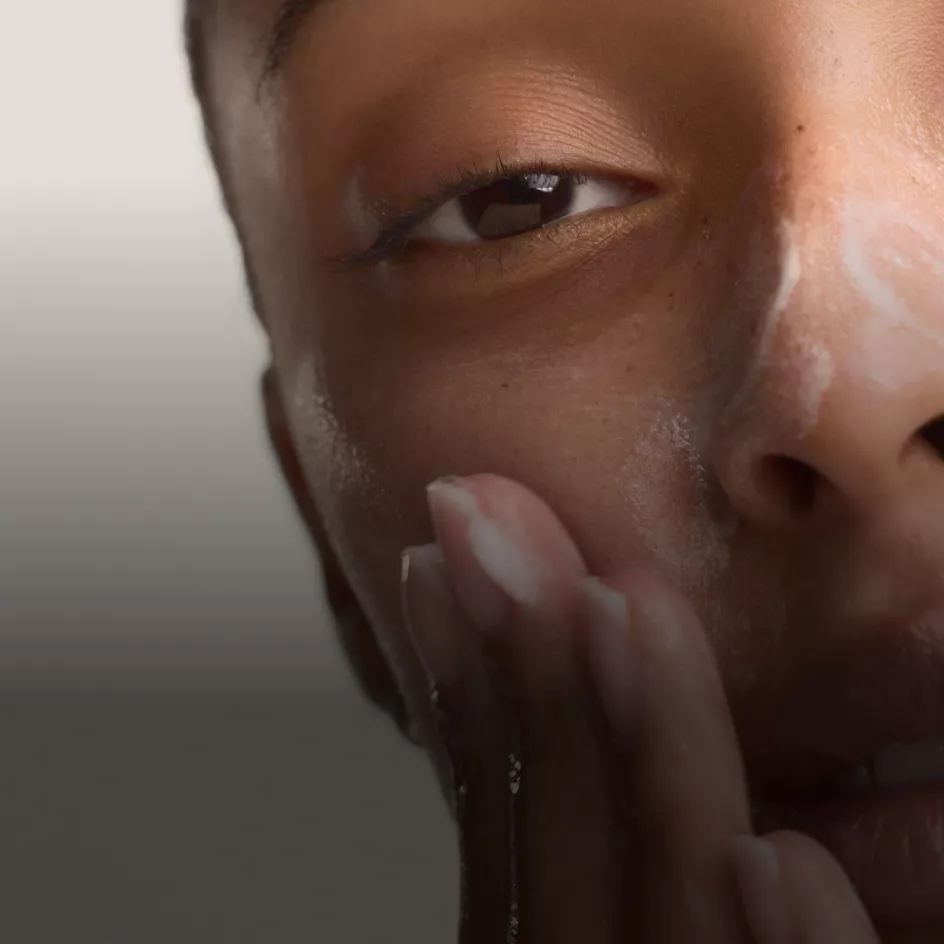
Incorporating a good sunscreen to protect against UV rays, while cleansing and toning effectively will help to keep your skin clear of impurities. When done correctly to reduce irritation, physical or chemical exfoliants can also assist by removing dead skin cells to reveal smoother, softer skin.
ZO's Radical Night Repair is a high-potency retinol treatment to help with skin smoothness while diminishing the appearance of fine lines + wrinkles. Our Exfoliating Polish gently removes dead skin cells to instantly reveal smoother, softer, glowing skin, while the Brightalive® formula includes niacinamide to help reduce the appearance of uneven skin.
You should use skincare products consistently to see results over time. Always make sure you check which ingredients should be combined before adding them to your regimen. Speak to a dermatologist if you're ever unsure.
How to Speed Up Skin Cell Turnover
Cell turnover cannot be forced overnight, but the rate at which the skin cycles through renewal can be meaningfully accelerated with the right ingredients and habits used consistently.
Exfoliation: The most direct lever
Exfoliation physically or chemically removes the dead cells accumulating on the surface, which both reveals smoother skin immediately and signals the lower epidermis to accelerate new cell production. There are two main approaches:
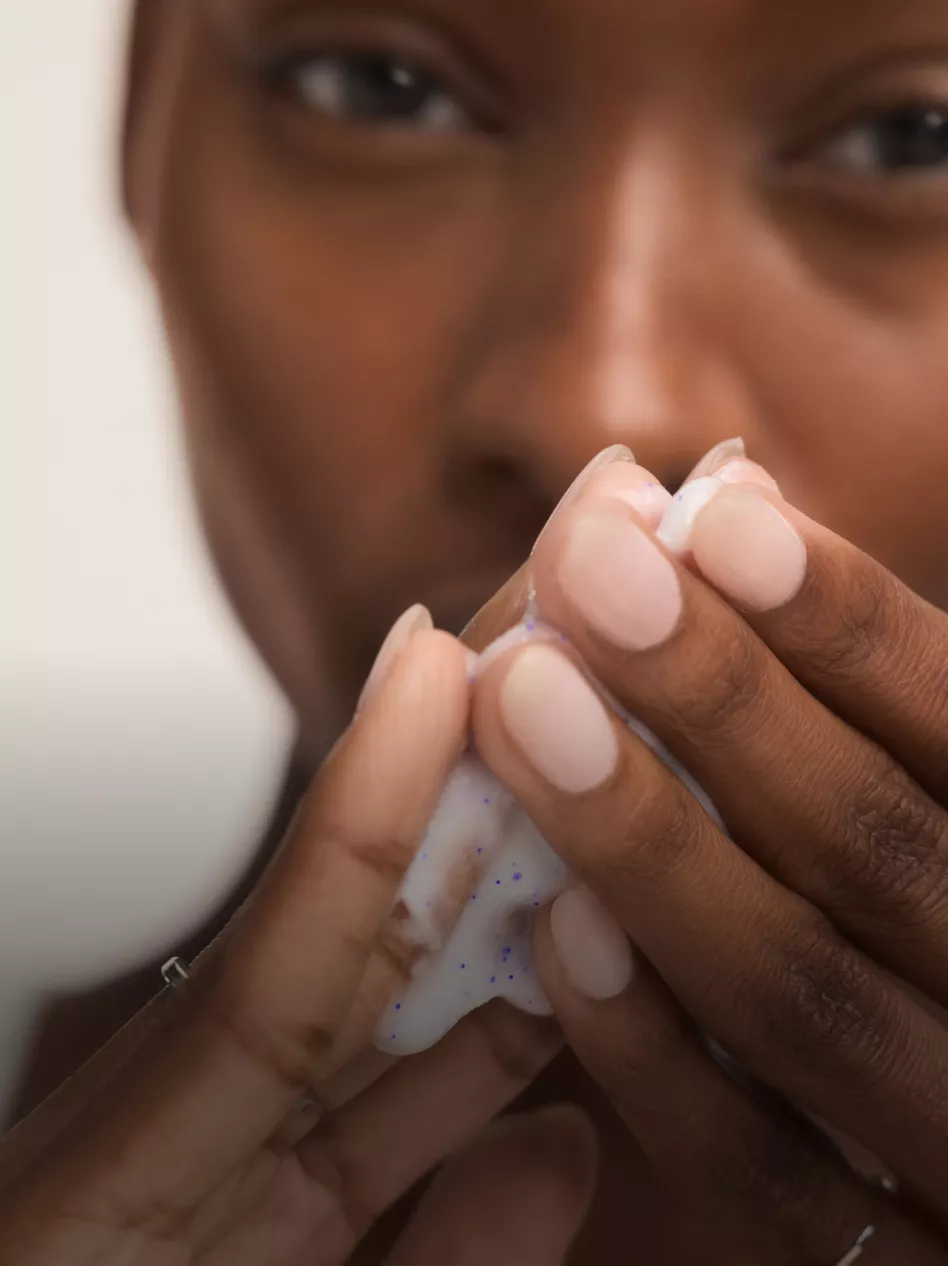
- Physical exfoliation: Magnesium oxide crystals and similar gentle particles manually dislodge dead surface cells without disrupting the skin barrier. The Exfoliating Polish is designed for this as ZO's Getting Skin Ready® Step 2. It should be used in the AM as a non-negotiable part of the protocol.
- Chemical exfoliation: AHAs (glycolic acid, lactic acid) and BHAs (salicylic acid) dissolve the bonds between dead skin cells at the surface level. These work well for texture refinement and are available in toner-format products for regular use.
Exfoliation Frequency Guide
| Skin type | Recommended frequency | Best format |
|---|---|---|
| Normal | Daily (physical) or 3–4x per week (chemical) | Exfoliating Polish + Complexion Renewal Pads |
| Oily / blemish-prone | Daily (physical) + 3–5x per week (chemical) | Exfoliating Polish + Oil Control Pads |
| Dry / sensitized | 2–3x per week (physical only initially) | Exfoliating Polish; avoid high-concentration AHAs |
| Mature / slower turnover | Daily (physical) + 2–3x per week (chemical) | Exfoliating Polish + AHA Toner (Calming Toner is the name) with retinols every other night |
Retinol
Retinol drives cell turnover at the dermal level – not just at the surface. By binding to retinoid receptors in the basal layer, it signals the skin to produce new cells faster. This is why retinol is considered a foundational renewal ingredient alongside exfoliation: they work at different depths and are highly complementary when used in the right sequence.
SPF: Protecting the results
UV exposure degrades collagen, slows the production of healthy new cells, and accelerates the breakdown of surface skin. Wearing broad-spectrum SPF 40 or higher every morning prevents the UV damage that negates the renewal work done by actives.
Best ZO Products for Skin Renewal
A structured skin renewal system addresses multiple layers of the process: surface clearing, active turnover acceleration, and protection of newly revealed skin.
Exfoliating Polish ZO's Getting Skin Ready® Step 2 exfoliant, using magnesium oxide crystals for physical removal of dead surface cells. Stabilized Vitamin C supports visible brightness on newly revealed skin. Use daily in the AM as part of the Getting Skin Ready® protocol. ELLE Editor's Choice 2023.
Retinol Skin Brightener 0.3% For those new to retinol, ZO's Retinol Skin Brightener 0.3% with ZO-RDS encapsulated retinol drives cellular turnover while minimizing adjustment irritation. Start 1–2x per week in the PM.
Brightalive® Skin Brightener Contains niacinamide to support cell metabolism and the appearance of even skin tone on newly renewed skin. Non-retinol, non-hydroquinone. Suitable for those not yet using retinol or who prefer a gentler approach to brightening.
Daily Power Defense® Applied at AM and PM after Getting Skin Ready®, it supports the skin's natural cellular repair processes and provides antioxidant protection to preserve the results of cell turnover actives.
Discover skin renewal solutions from ZO®
Incorporating products that support the skin renewal process into your regimen can result in a smoother, more radiant complexion. Use our Regimen Finder to identify the products best suited to your skin type and concerns. For expert advice, find your nearest ZO® Authorized Partner, or get in touch with our team of experts.
Frequently Asked Questions
Skin renewal is the continuous biological process by which old, damaged skin cells shed from the surface and are replaced by new cells formed in the lower epidermis. This cycle drives the skin's ability to heal, maintain an even tone, and respond to skincare actives. In skincare, the term typically refers to products and practices that accelerate this natural cycle.
The full cycle takes approximately 28–42 days in young adults and slows significantly with age – reaching 60–90 days in the 60s and beyond. This is why visible improvements from skincare actives take at least four to six weeks to appear: the skin needs time to complete a cycle before renewed cells reach the surface.
The most effective approaches are retinol (which drives turnover at the dermal level), physical and chemical exfoliation (which remove accumulated dead cells at the surface), and consistent daily SPF (which prevents UV damage from slowing renewal). Diet, hydration, sleep, and stress management all play supporting roles.
Yes, to a degree. Regular aerobic exercise improves circulation and delivers oxygen and nutrients to skin cells. Adequate protein intake supports cellular repair. Sufficient sleep is when the skin's natural repair processes are most active. Hydration prevents transepidermal water loss that slows barrier function. These factors support the renewal cycle but do not replace the effect of dedicated skincare actives like retinol and exfoliants, which work at the cellular level.
Shop The Post
Exfoliating Polish

GSR® All Skin Types Normal to Dry Skin
Retinol Skin Brightener 0.3

Anti-Aging Brightening
Brightalive® Skin Brightener

All Skin Types Brightening TSA Approved
Daily Power Defense

All Skin Types Anti-Aging TSA Approved
Radical Night Retinol

All Skin Types Anti-Aging TSA Approved