


Hydration Skincare Advice | August
QUICK TAKE: DRY SKIN IS ONE OF THE MOST COMMON SKIN HEALTH CONCERNS.
- Dry skin signals a disrupted barrier losing moisture faster than it can retain it, not just a surface-level issue.
- A structured skincare system works better than individual products: cleanse, exfoliate, tone, hydrate, protect – in that order.
- Standard moisturizers offer temporary comfort but don't correct the underlying barrier dysfunction.
- Functional hydrators formulated with ceramides, peptides, probiotics, and humectants work at the barrier level for longer-lasting results.
- The Getting Skin Ready® protocol (cleanse, exfoliate, tone) preps the skin so hydrating products can actually do their job.
- Daily SPF is non-negotiable – UV exposure weakens the barrier and worsens dryness over time.
- Lifestyle factors like using a humidifier and increasing omega-3 intake can reinforce your skin health between applications.
Best Skincare Routine for Dry Skin: A Step-by-Step Guide
By ZO® Skin Health
Dry skin is one of the most common skin health concerns, but it's also one of the most misunderstood. The default response is to reach for a richer moisturizer. And while that can offer temporary relief, it rarely solves the problem. Chronic dryness is a barrier issue. When the skin's protective layer is compromised, moisture escapes more quickly than the skin can hold onto it – a process called transepidermal water loss (TEWL). The result is that familiar cycle of tightness, flaking, and irritation that no amount of cream seems to break.
The solution isn't more product. It's the right products, in the right order, addressing the right problems. That's the core principle behind a structured skincare system for dry skin, and it's where this guide starts.
Why Does Dry Skin Need a Structured Skincare System?
Because dry skin has multiple underlying causes, a single product is typically insufficient. A well-designed skincare system for dry skin needs to address four things simultaneously.
Strengthening a weakened barrier. The skin barrier consists of corneocytes arranged in layers, held together by a matrix of water, lipids, and proteins. When either component is disrupted, the barrier fails, and skin becomes more vulnerable to irritants, moisture loss, and sensitivity. Fortifying this layer is the foundation of any meaningful dry skin approach.
Replenishing hydration where it counts. Traditional moisturizers sit on the surface and provide a temporary seal. Functional hydrators go further: they're formulated to draw water into the epidermis and support the skin's own natural moisture-retaining mechanisms over time. That's the difference between comfort and correction.
Calming reactive skin. Dryness and sensitivity often travel together. When the barrier is compromised, the skin becomes more reactive; minor irritants trigger tightness, redness, and discomfort. Calming agents in the right formulations help interrupt that cycle.
Addressing surface texture. Dry skin builds up dead cells faster than it sheds them, especially as skin ages and its natural exfoliation process slows. Flaky patches and rough texture aren't just cosmetic concerns; they also prevent hydrating products from reaching the skin beneath them.
Step-by-Step Skincare Routine for Dry Skin
Step 1: Gentle Cleansing (Morning and Night)
The cleanser is where every system starts, and for dry skin, it's where many people go wrong. Harsh surfactants and strong fragrances strip the skin's lipid layer, weakening the very barrier you're trying to support. The goal of cleansing isn't just removing impurities; it's leaving the skin clean without depleting what it needs to stay healthy.
What to look for:
- Creamy or emollient textures that lift debris without stripping
- Humectants like sodium hyaluronate, glycerin, squalane, or panthenol
- Free from harsh surfactants and strong fragrances
ZO® recommends: ZO® Hydrating Cleanser, formulated for normal to dry skin. It cleans away debris, oil, and makeup while minimizing dryness and irritation, and soothes sensitive skin.
Step 2: Smoothing Exfoliation (2–3 Nights Per Week)
Exfoliation is an often-skipped step for dry skin, but it matters. Removing the buildup of dead cells doesn't just smooth texture; it also helps your hydrating products reach the skin that needs them. The key is choosing an exfoliant that renews the surface without aggravating the barrier.
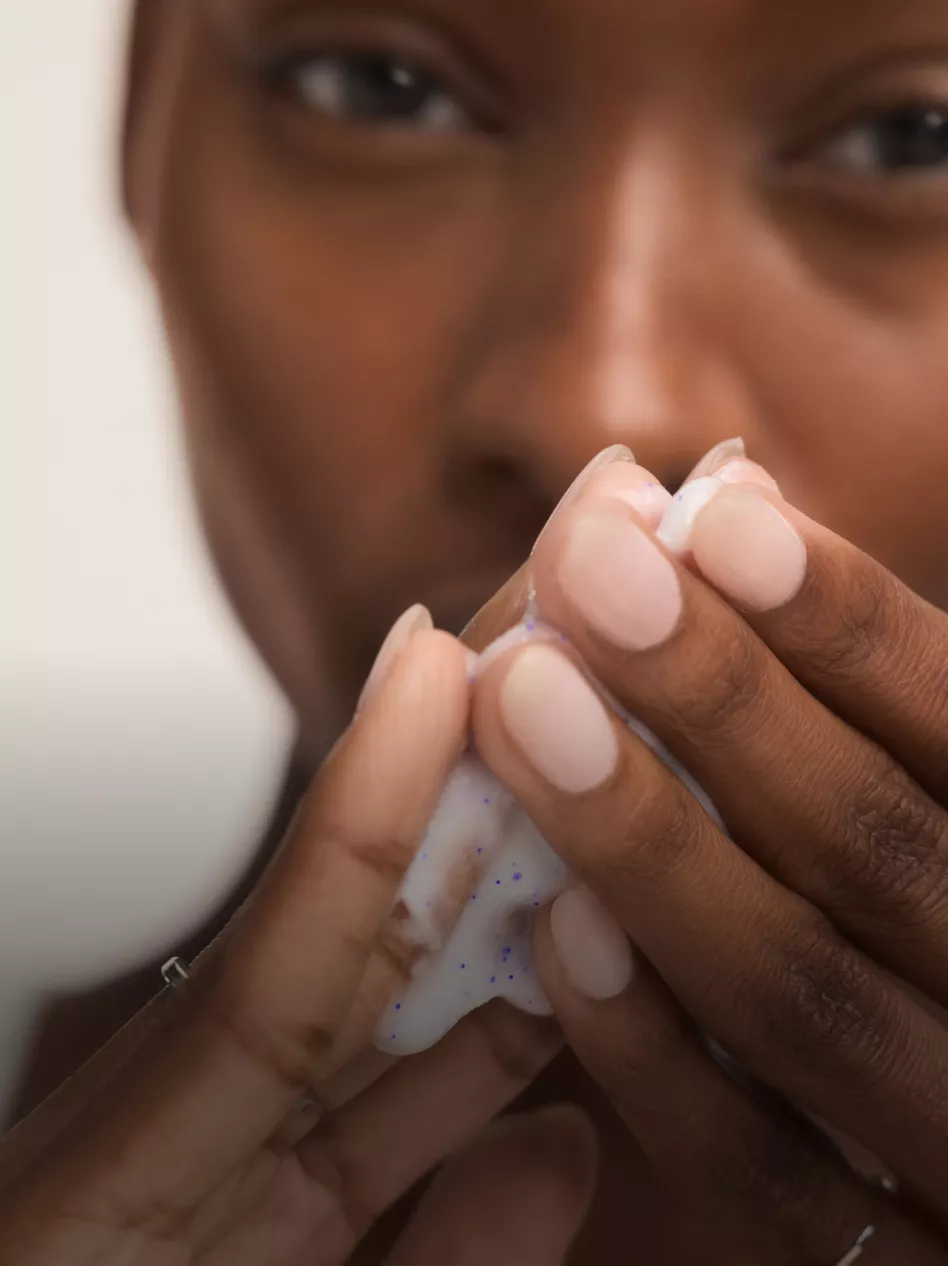
AHAs such as glycolic, lactic, or mandelic acid dissolve the bonds holding dead cells to the surface, making them well-suited to dry skin. Fine-particle physical scrubs can also work, provided the formula is gentle enough not to cause micro-tears.
ZO® recommends: ZO Exfoliating Polish for a gentle physical option, or ZO Exfoliation Accelerator for AHA-based exfoliation. Use 2–3 nights per week, or as tolerated.
Step 3: Calming Toner (Morning and Night)
After cleansing or exfoliating, a calming toner helps restore the skin's pH balance, delivers soothing agents to quell tightness and irritation, and primes the skin to absorb what follows more effectively.
What to look for:
- Alcohol-free formulas that won't exacerbate dryness
- Proven calming agents like allantoin
- Moisture-replenishing humectants such as sodium PCA
ZO® recommends: ZO Calming Toner, formulated for dry and sensitized skin. It is pH balanced and hydrates, soothes, and subtly exfoliates dry, dull skin.
Step 4: Functional Hydration (Morning and Night)
This is where a well-designed dry skin system diverges most clearly from a generic one. Functional hydrators are formulated to do more than temporarily soften the surface. They support barrier function from within, working through multiple mechanisms at once.
What makes a functional hydrator different:
- Ceramides, squalane, and shea butter help replenish the skin's lipid layer, protecting against moisture loss
- Peptides (such as acetyl hexapeptide-8 and caprooyl tetrapeptide-3) support skin integrity and resilience
- Probiotic-derived ingredients (like Lactococcus ferment lysate) support healthy barrier function and help mitigate external stressors
- Humectants like polyglutamic acid draw water into the epidermis and help retain it
ZO® recommends: ZO® Recovery Crème, a rich, emollient hydrator for moderate dryness. Clinically shown to rejuvenate the appearance of fragile skin, it restores moisture for a smooth and supple texture, promotes skin's resiliency while calming visible redness, and is augmented with ZCORE® to support the appearance of firmer skin structure.
Step 5: Sun Protection (Morning Only)
UV exposure worsens dryness, accelerates visible signs of aging, and weakens the skin barrier. Daily sunscreen is non-negotiable – including on overcast days, when UV radiation still reaches the skin. For dry skin specifically, the texture of your sunscreen matters: mattifying or powder-finish formulas can cling to dry patches and feel uncomfortable.
What to look for:
- Broad-spectrum SPF 30 or higher
- Hydrating or creamy textures that won't emphasize dry areas
- A finish that sits comfortably over moisturizer
ZO® recommends: Daily® Mineral Sunshade
Supporting Your Skin Beyond the System
A consistent skincare system addresses the surface and the barrier. These habits support your skin health from other angles.
Use a humidifier. Indoor heating and air conditioning reduce ambient humidity, which accelerates moisture loss from the skin. A humidifier helps counteract this, particularly during winter months.
Consider omega-3 intake. Healthy fats in foods like salmon, walnuts, chia seeds, and flaxseed support the skin barrier from within. Research has shown that increasing dietary omega-3 intake complements the effects of topical care. As always, consult your physician before beginning any supplement.
Why a System Approach Matters for Dry Skin
Most skin care products are designed to work in sequence. A hydrating serum applied to unprepared, congested skin works differently than one applied after proper cleansing, exfoliation, and toning.
That's the core logic of the Getting Skin Ready® protocol: normalize skin functions first, then give the corrective and hydrating products the best possible surface to work on. For dry skin, this sequenced approach consistently outperforms product-by-product improvisation.
For concerns beyond dryness – including the appearance of fine lines, uneven texture, or skin longevity – ZO's Prevent + Correct treatments can be layered into your system for targeted support.
The right system, guided by someone who knows your skin, makes the biggest difference. When in doubt, consult a physician to help build a regimen matched to your specific needs.
Frequently Asked Questions About Skincare for Dry Skin
Twice daily works for most people – morning and night, applied after cleansing and toning. If your skin feels tight or uncomfortable between applications, that's usually a sign that the formula isn't doing enough at the barrier level, and a functional hydrator with ceramides and peptides may serve you better than a conventional moisturizer.
AHAs like glycolic, lactic, or mandelic acid dissolve the surface layer of dead skin cells without the mechanical friction of a scrub. They tend to work well for dry skin because they address texture while preserving the barrier. Fine-particle physical scrubs are also an option – just avoid anything with irregular or coarse particles that can cause micro-tears.
Yes, with the right formulation and a measured introduction. Retinol promotes epidermal renewal and collagen production, which benefits dry skin over time, but it can also cause initial dryness and irritation if introduced too quickly. Starting with a lower concentration and pairing it with a functional hydrator helps the skin adjust. A physician can recommend the appropriate strength for your skin.
Occasional or seasonal dryness is common and typically responds well to a structured skincare system. If dryness is severe, chronic, accompanied by significant redness or itching, or doesn't improve with consistent care, it's worth speaking with a physician. Some forms of barrier dysfunction benefit from professional assessment and a tailored protocol rather than an over-the-counter approach.
Shop the Post
Hydrating Cleanser

GSR® Normal to Dry Skin
Exfoliating Polish

GSR® All Skin Types Normal to Dry Skin
Exfoliation Accelerator

All Skin Types Anti-Aging TSA Approved
Calming Toner

GSR® Normal to Dry Skin Normal to Sensitized Skin
Recovery Crème

AM or PM Dry to Sensitized Skin Hydration
Daily Mineral Sunshade Broad Spectrum SPF 45

All Skin Types Sun Protection TSA Approved