
.jpg?sw=1590&sh=770&q=40)
Anti Aging-Skincare Advice | August
QUICK TAKE: SKIN DOES NOT AGE BECAUSE IT STOPS FUNCTIONING.
- Growth factors are signaling proteins that influence how skin cells function – they do not just sit on the surface.
- ZO Skin Health's Growth Factor Serum uses Human-Comparable and Plant Enzymatically derived Growth Factors: five synthesized, bio-identical growth factors shown in a 12-week clinical study to produce measurable improvements in skin density, elasticity, and appearance.
- In that study, 100% of subjects agreed their skin looked lifted and supported, and subjects felt skin appeared nearly 6 years younger after 8 weeks of use.
- Growth factors work best within a complete skin health system – Getting Skin Ready® preparation, Daily Power Defense strengthening, correct layering, and daily SPF 40 or higher are all part of what makes the results possible.
What Are Growth Factors in Skincare and Why Are They Key to Anti-Aging?
By ZO® Skin Health
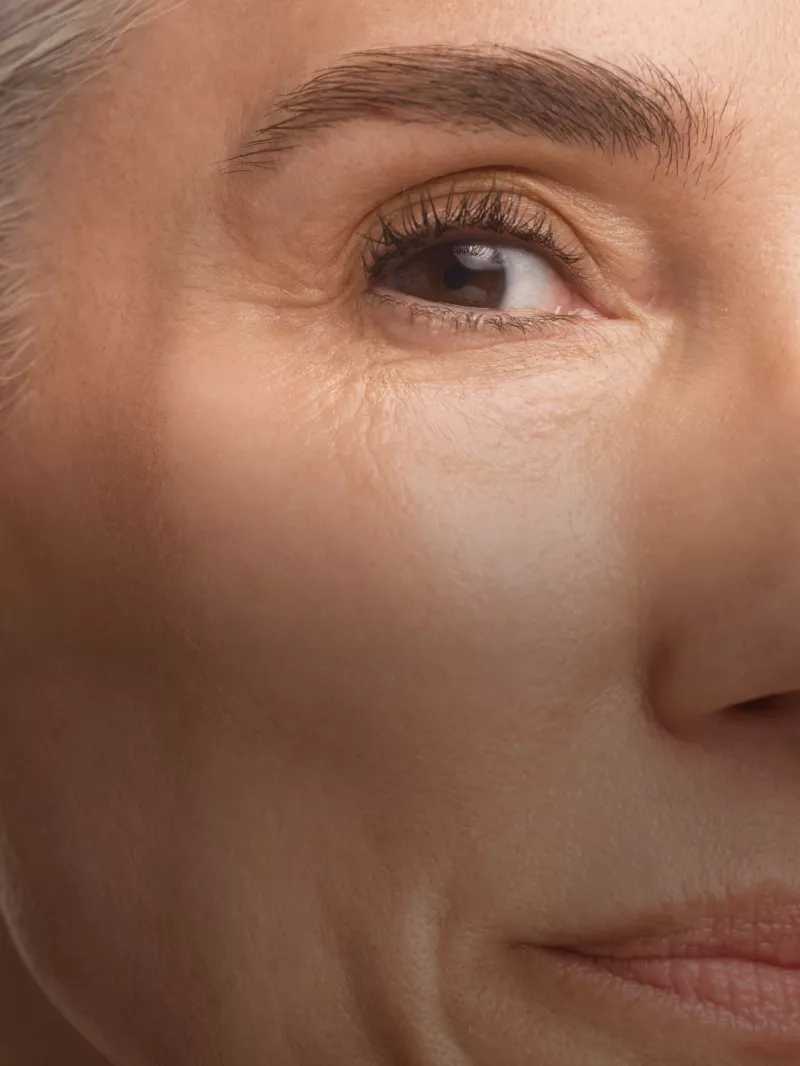
Skin does not age because it stops functioning. It ages because the signals that drive its function gradually quiet down. Collagen production slows. Elasticity diminishes. Skin becomes thinner, less resilient, and more susceptible to the environmental exposures that compound those changes over time.
Growth factors are the proteins that carry those signals. Understanding what they are, how they work, and why formulation quality matters is the difference between choosing a product and choosing the right one.
What are growth factors in skincare?
Growth factors are naturally occurring proteins found in human skin. They act as messengers between cells, directing essential biological processes – collagen and elastin production, cellular renewal, barrier function, and vascular health. In younger skin, they are produced in sufficient concentrations to keep those processes running efficiently. With age, their concentration and signaling efficiency decline, and the visible changes in skin density, firmness, and texture follow.
In skincare, growth factors are formulated to replenish that signaling activity – supporting the skin's own processes rather than simply modifying its surface appearance.
How do growth factors work for anti-aging?
Growth factors do not work on the skin's surface. They work at the level of cellular communication, binding to receptors on skin cells and prompting specific biological responses.
Fibroblasts – the cells responsible for producing collagen and elastin – are among the primary targets. As growth factor signaling declines with age, fibroblast activity slows, collagen production decreases, and the structural architecture of skin begins to thin. Topically applied growth factors, when formulated at effective concentrations, support fibroblast activity and the appearance of the structural outcomes it drives: density, thickness, and elasticity.
This is what separates growth factor science from most anti-aging skincare categories. The mechanism is not temporary. It is not a surface-level optical effect. It operates at the level of how skin cells are directed to behave.
What is Human-Comparable Growth Factor Technology?
ZO Skin Health's Growth Factor Serum uses Human-Comparable Growth Factor Technology – five synthesized, bio-identical growth factors: IGF-1, EGF, acidic FGF, basic FGF, and VEGF. These proteins are synthesized to closely replicate the growth factors found naturally in human skin, produced via a process that allows for a high degree of purity and controlled, targeted concentrations.
Each of the five growth factors addresses a complementary function. EGF supports skin rejuvenation and cellular vitality. IGF-1 and the FGF variants contribute to visible improvements in skin thickness and elasticity. VEGF supports optimal nutrient delivery – a factor that underpins the improvements in visible radiance and texture measured in ZO's clinical study.
The precision of this approach – defined proteins at measurable concentrations – is what makes the clinical outcomes predictable and reproducible. ZO has been developing growth factor technology for 18 years. The current formulation is the most advanced expression of that work.
What does the clinical evidence show?
ZO Skin Health conducted a 12-week independent, third-party clinical study of 46 subjects: females aged 44 to 74, across Fitzpatrick skin types II through VI, with moderate to severe signs of aging. Results were measured using validated tools including DermaLab Ultrasound for skin thickness and Cutometer Dual MPA 580 for elasticity.
The outcomes at 8 and 12 weeks:
- 100% of subjects agreed their skin looked lifted and supported
- 98% agreed their skin felt thicker, more cushioned, and more structurally intact
- Subjects felt skin appeared nearly 6 years younger after 8 weeks of use
- 42% improvement in visible radiance and texture, measured by expert grader assessment
- 16% improvement in visible elasticity
- Measurable improvement in the appearance of skin thickness at 8 weeks
The study was conducted with Gentle Cleanser and Sheer Fluid Broad Spectrum Sunscreen SPF 50 as supporting products – a detail that reflects how ZO products are designed to perform: within a system, not independently.
What other ingredients work alongside growth factors?
The Growth Factor Serum combines its growth factor complex with several additional technologies, each targeting a distinct aspect of how skin changes with age.
Disodium Acetyl Glucosamine Phosphate
An enzymatically derived form of N-acetyl glucosamine that supports the appearance of plumpness, thickness, and elasticity.
Lactobacillus/Panax Ginseng Root Extract
A plant-derived fermented red ginseng extract shown to reduce the appearance of lines and wrinkles.
DDBD (Dipeptide Diaminobutyroyl Benzylamide Diacetate)
Temporarily reduces the visible impact of expression lines and contributes to a smoother appearance.
ZPRO®
ZO's proprietary biomimetic sericin protein complex, supporting a more supple and hydrated result.
These ingredients work alongside the growth factor complex rather than in competition with it. The serum is designed to address multiple dimensions of aging skin within a single formulation – density, surface lines, expression-related texture changes, and hydration.
How to use a growth factor serum: layering, timing, and system placement
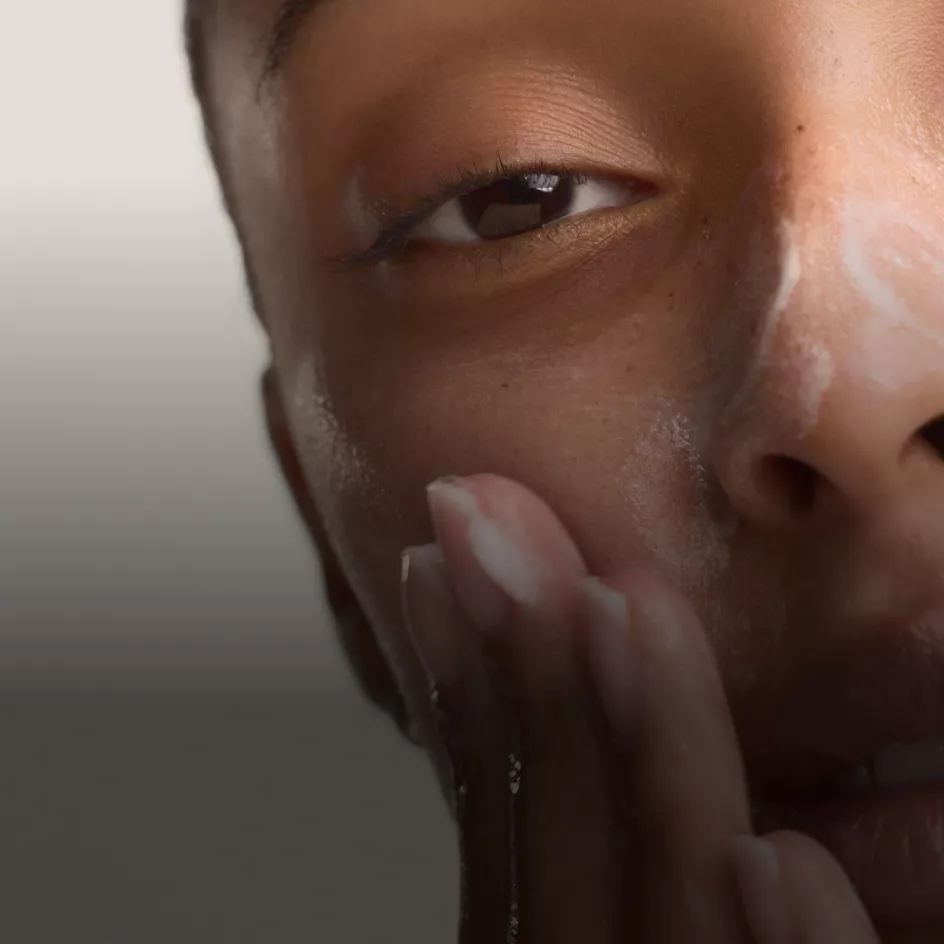
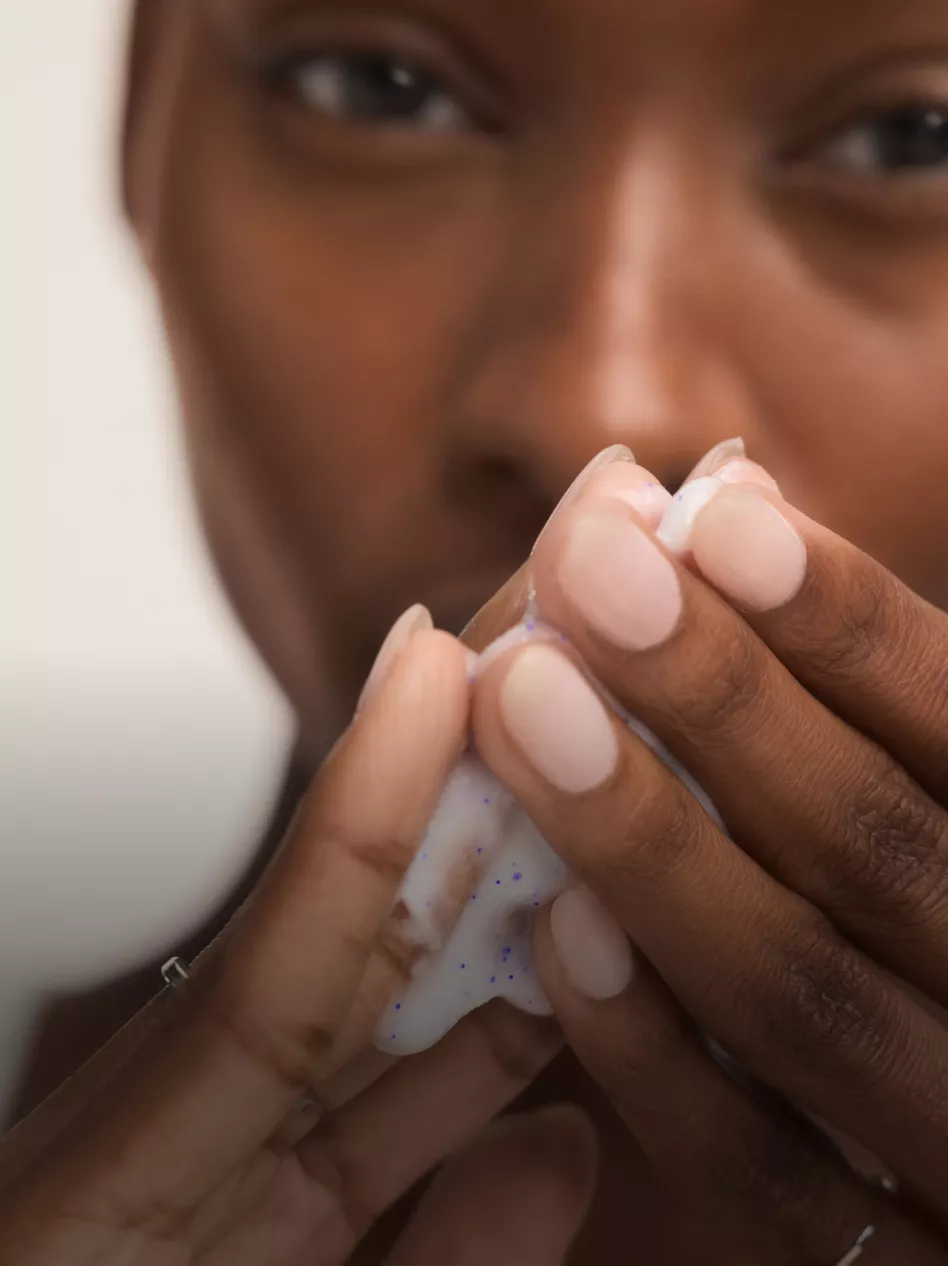
Growth factors perform best when the skin is properly prepared. Within the ZO system, that begins with Getting Skin Ready® – the three-step sequence of cleanse, exfoliate, and tone that normalizes skin function and maximizes the absorption of everything applied afterward. Exfoliation is mandatory; it is the step that distinguishes an active skin health system from routine cleansing.
After Getting Skin Ready® and Daily Power Defense, apply the Growth Factor Serum to the face and neck. For the eye area, apply Growth Factor Eye Serum using the cooling applicator, tapping gently with the ring finger to minimize pressure on the delicate periorbital skin. If your system includes additional Correct-step products, apply in order from lightest to richest texture.
In the morning, the final step is SPF 40 or higher. Sun protection is not optional when using active anti-aging skincare. UV exposure degrades collagen and undermines the progress that consistent growth factor use supports. ZO's Triple-Spectrum Protection® sunscreens provide coverage against UVA, UVB, HEV light, and IR-A.
Your physician will guide the specific combination of products appropriate for your skin concerns and the correct sequencing within your personal system.
Frequently Asked Questions
Yes. Growth factors are compatible with other active ingredients including retinols and antioxidants, and ZO's physician-designed protocols frequently incorporate them together. The key is correct layering – apply products from lightest to richest texture – and following your physician's guidance on timing and combination for your specific skin concerns.
Growth factor formulations are well tolerated across all skin types and tones. ZO's clinical study included subjects across Fitzpatrick skin types II through VI, representing a broad range of skin backgrounds.
In ZO Skin Health's 12-week clinical study, measurable improvements in skin thickness were detected at 8 weeks. Subjects reported that skin appeared nearly 6 years younger at that same time point. Individual results vary, and consistency within the full system – Getting Skin Ready®, correct layering, and daily SPF – is what makes those outcomes achievable.
Not necessarily. Consistent growth factor use can support skin density and structure between appointments, and may extend the interval between in-office treatments for some individuals. Growth factor serums are also used in post-procedure care to support skin during recovery. The most effective outcomes come from combining physician-guided treatments with a consistent at-home system – your physician can advise on the right balance for your skin.
Anyone with a personal history of cancer of any type should consult their oncologist or an oncological dermatologist before beginning a growth factor product. Growth factors increase cellular signaling activity in the skin, and whether that is appropriate depends on an individual's specific history, treatment, and current status. A physician can recommend suitable alternatives within the anti-aging portfolio for those who need them.
Shop the Post
Daily Power Defense

All Skin Types Anti-Aging TSA Approved
Growth Factor Serum

Growth Factor Eye Serum

All Skin Types Eye Care TSA Approved