


Rosacea | March 31 2025
7 tips on how to decrease facial redness and flushing
Your face can flush for many reasons, but when redness lingers, it starts to feel like part of your skin's personality. Sometimes, redness is just surface-level irritation, but it could signal an underlying issue that your skin can't resolve on its own.
Recognizing what's behind the color shift is the first step toward finding relief – and that starts with learning what your skin is trying to tell you.
Types and causes of facial redness
Redness always has a cause, and understanding the source helps you choose the right solution. Below are the most common reasons as to why you might ask yourself: "Why is my face red?"
- Chronic skin conditions: Redness often comes from conditions like rosacea, eczema, or psoriasis. Rosacea causes flushing and visible vessels, eczema leads to inflamed patches from a weak skin barrier, and psoriasis creates thick, scaly plaques.
- Sensitivity and irritation: When your skin barrier gets damaged – often from harsh products or over-exfoliation – your skin reacts with redness + stinging, even from gentle products or water.
- Environmental stress: Weather changes and UV exposure all weaken your skin barrier, leaving it vulnerable to redness + dryness.
- Allergic reactions: Contact with an ingredient your skin can't tolerate triggers sudden redness, swelling, itching, or burning, which usually fades once the trigger is removed.
- Lifestyle triggers: Alcohol, spicy food, caffeine, stress, and poor sleep can all dilate blood vessels, making redness worse over time.
7 Tips to Reduce Facial Redness
The most effective approach to facial redness is building a strong barrier that doesn't overreact – not trying to suppress each flare-up individually. Here are seven steps that address redness at the source.
1. Identify and avoid your triggers
Before changing products, track what precedes your flare-ups. Common triggers include heat, spicy food, alcohol, synthetic fragrance, high-concentration exfoliants, and prolonged sun exposure. Rosacea-prone skin is particularly reactive to these. A two-week trigger diary can reveal patterns that skincare alone cannot address.
2. Cleanse gently – and nothing else
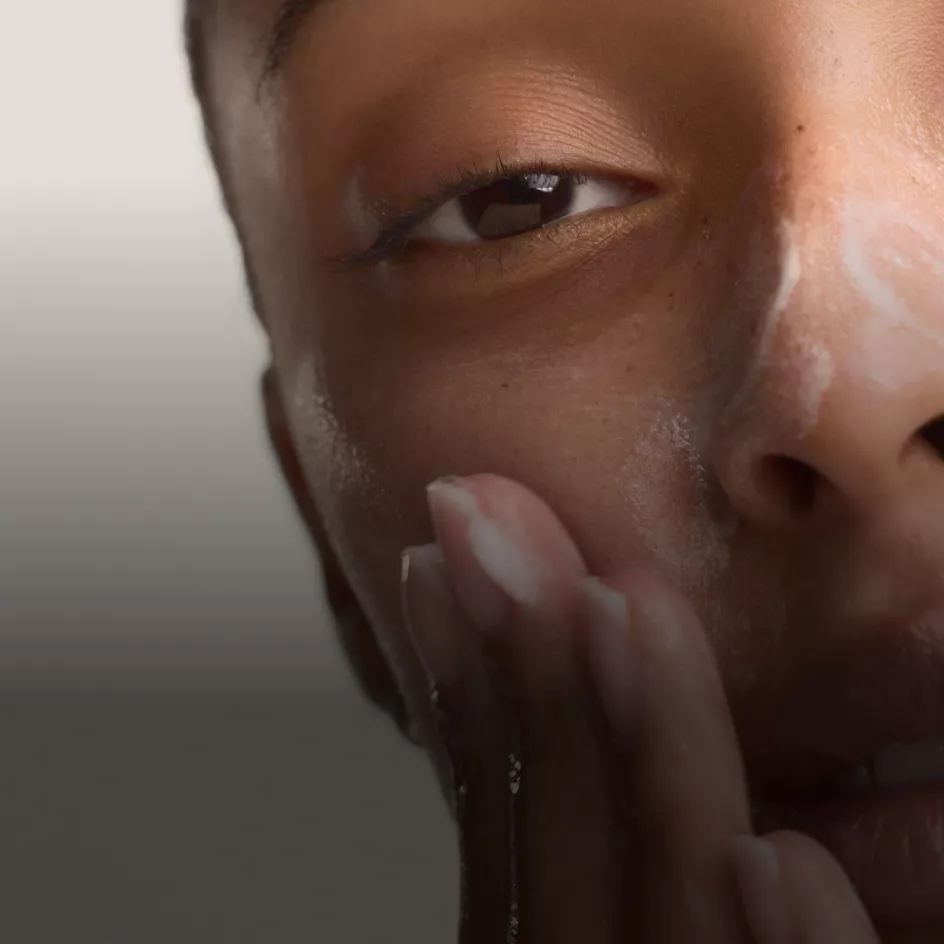
Gel and foaming cleansers are among the most common aggravators of facial redness. They strip the lipid barrier, triggering the inflammatory response that causes flushing. Switch to a low-foaming, sulfate-free cleanser with minimal ingredients. Use lukewarm water; hot water dilates blood vessels.
3. Reinforce the skin barrier
A compromised skin barrier is the underlying mechanism in most chronic facial redness. Ceramides, fatty acids, niacinamide, and hyaluronic acid all support barrier repair. Apply a lightweight but nourishing hydrator after cleansing. Avoid skipping this step even when skin doesn't feel dry – a consistently reinforced barrier is a less reactive barrier.
At ZO we highly recommend Daily Power Defense®. This product protects against environmental stressors and defends against premature signs of aging by hydrating the skin and supporting skin barrier restoration.
4. Eliminate fragrance, alcohol, and coarse exfoliants
Both natural and synthetic fragrances – including essential oils – are among the most documented triggers of facial redness in sensitized skin. Alcohol-based toners strip surface oils and create microinflammation. Physical scrubs with large or jagged particles can create micro-tears. Review every step in your current system for these ingredients.
5. Apply a mineral SPF every morning
UV exposure is a direct cause of skin inflammation and accelerates visible redness over time – including rosacea symptoms. Chemical sunscreens can sting sensitized skin. Mineral formulations with zinc oxide or titanium dioxide sit on top of the skin and physically block UV without chemical absorption. Apply broad-spectrum SPF 40 or higher as the final AM step, every day regardless of cloud cover.
6. Add a targeted redness treatment
For skin with chronic or persistent redness, a dedicated calming serum used consistently is more effective than reactive spot treatment. Look for ingredients that address the vascular and inflammatory components of redness: niacinamide, palmitoyl glycine, azelaic acid, and plant-derived antioxidant complexes.
We recommend ZO Skin Health's Rozatrol® that features a multiplex of ingredients all in one product to relieve the visible symptoms associated with rosacea.
This multi-modal treatment works to normalize skin by reducing excess oil, which can lead to inflammation. It also provides ultra-mild exfoliation and supports optimal microcirculation to prevent signs of premature aging.
7. Consult a physician for persistent redness
Redness that does not improve with consistent skincare within 6–8 weeks, or that is accompanied by visible blood vessels, painful flushing, or bumps, may indicate rosacea or another inflammatory condition requiring professional assessment. A physician can diagnose the cause, prescribe appropriate treatments where needed, and design a system tailored to your skin.
Diagnosing your redness
Your goal isn't to 'fight' the redness but to build a healthy, resilient barrier that doesn't overreact to daily routines.
Start with a gentle cleanser that removes dirt and sunscreen without stripping natural oils. Creamy formulas with minimal ingredients tend to cause less irritation than gel or foaming cleansers.
Next, apply a lightweight but nourishing hydrator that locks in moisture. Look for products rich in ceramides to strengthen your skin barrier, or ingredients like niacinamide that calm redness. If your skin feels tight following application, try layering a hydrating serum underneath, focusing on ingredients like hyaluronic acid or glycerin.
Sunscreen is non-negotiable. UV exposure inflames and weakens skin, even on cloudy days. Mineral sunscreens with zinc oxide or titanium dioxide are usually better tolerated than chemical ones, which can sting sensitive skin.
You can also add a dedicated calming treatment if your redness persists. The ZO® Complexion Clarifying Serum is a lightweight, water-based formula designed with ZSEB3™ – our innovative sebum-balancing technology. Clinically proven to reduce visible redness, it helps you maintain a consistently clear, balanced complexion.
Ingredients to avoid
Alcohol-based toners, strong exfoliants, and synthetic fragrances consistently trigger redness in sensitive skin. Even natural fragrances – like essential oils from citrus or mint – can provoke flare-ups.
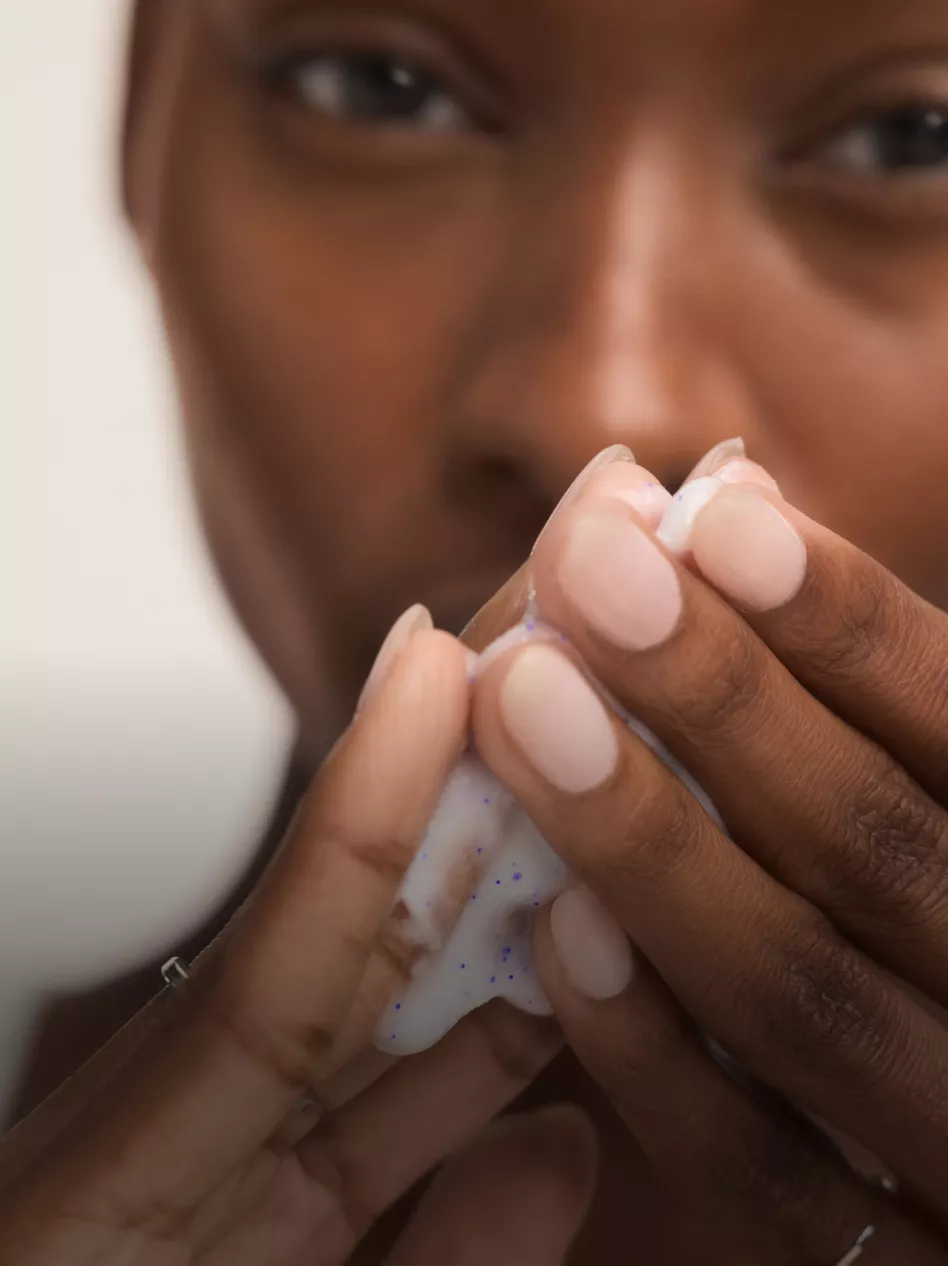
Physical scrubs with coarse particles can create micro-tears in fragile skin, leaving it even more vulnerable to redness. Chemical exfoliants can also result in problems if used too often or at high concentrations.
Even preservatives and emulsifiers can cause trouble. Look for 'fragrance-free' and 'for sensitive skin' labels, but don't rely on marketing alone. Scan ingredient lists for alcohol, menthol, witch hazel, and anything with the words 'fragrance' or 'parfum', and avoid these products.
Rozatrol®: ZO's Purpose-Built Redness Treatment
Most calming products address one or two symptoms of facial redness. Rozatrol® is formulated to target five distinct mechanisms simultaneously: inflammation, decreased cellular renewal, excess sebum, vascular degeneration (visible blood vessels), and neuro-aging.
Core technology:
- ZO-RRS2® (Redness Reducing System): A proprietary plant stem cell complex combining white horehound and edelweiss meristem extracts. Provides powerful antioxidant protection and reduces visible redness and inflammation.
- Palmitoyl glycine: Encourages healthy microcirculation to reduce the visible appearance of facial flushing.
- Microbiome balancing blend (farnesyl acetate, farnesol, panthenyl triacetate): Reduces excess surface sebum to promote a healthy skin microbiome for a calmer complexion.
- ZPOLY®: Proprietary polysaccharide complex that supports the skin's protective barrier and infuses extended hydration.
- Papain: Mild enzymatic exfoliation to smooth bumpy skin texture without triggering irritation.
Clinical results: In an independent third-party study of 22 subjects over six weeks using the Rozatrol® protocol:
- 82% saw a visible reduction in the appearance of inflamed skin
- 73% reported improvement in their redness or rosacea condition
- 68% noted improvement in the look of visible blood vessels
Applied AM and PM after Getting Skin Ready®, Rozatrol® works as the first Prevent+Correct step in a redness-focused system.
Lifestyle changes to help with redness
If you regularly drink alcohol or love spicy food, you might be feeding your redness without realizing it. Alcohol dilates blood vessels and makes flushing worse over time. Spicy food increases internal heat to trigger the same reaction.
Stress also makes redness worse by flooding your body with cortisol, a hormone that triggers redness. You can't avoid stress entirely, but regular exercise and meditation can help lower your baseline levels. Sleep quality matters, too, since poor sleep reduces skin repair and leaves it more vulnerable to redness triggers.
A Skincare System for Red and Sensitive Skin
This is the recommended system structure for skin presenting with chronic redness:
Morning:
| Step | Product | Notes |
|---|---|---|
| Cleanse | Gentle Cleanser | Low-foaming, sulfate-free; avoid Exfoliating Cleanser for reactive skin |
| Exfoliate | Exfoliating Polish | Getting Skin Ready® Step 2; 2–3x per week only for sensitized skin |
| Tone | Calming Toner | Alcohol-free; soothes rather than strips |
| Protect | Daily Power Defense® | Antioxidant barrier defence |
| Treat | Rozatrol® | Apply to clean, dry skin after toning |
| Hydrate | Soothing Hydro Mist | Lightweight; multi-weight hyaluronic acid for sensitized skin |
| SPF | Sheer Fluid Broad-Spectrum SPF 50 | Mineral preferred for redness-prone skin; SPF 40 or higher |
Evening: In the evening, follow the same Getting Skin Ready® protocol, then apply Daily Power Defense, Rozatrol®, and Soothing Hydro Mist as needed. Your physician may recommend additional targeted treatments depending on the severity and cause of your redness.
Learn how to stop redness on the face with ZO®
Redness is often a sign that your skin needs support. Respond with gentle care and lifestyle tweaks to give it the chance to settle into a calmer, healthier complexion. Seek specialist advice by finding your local ZO® Partner or get in touch with our friendly team of experts.
Frequently Asked Questions
Facial redness has multiple causes, and the right approach depends on identifying which is driving yours. The most common are: chronic inflammatory conditions such as rosacea, eczema, or psoriasis; a compromised skin barrier from over-exfoliation or harsh products; UV exposure and environmental stress; contact reactions to fragrance or specific ingredients; and lifestyle triggers such as alcohol, spicy food, heat, stress, and poor sleep. Many people experience a combination of these simultaneously.
Immediate redness from a flare-up or product reaction can be calmed by: applying a cold compress to constrict blood vessels, removing the irritating product and rinsing gently with cool water, and applying a fragrance-free, ceramide-based hydrator to support the barrier. Persistent redness requires a structured approach over weeks rather than a quick fix – the consistent use of calming actives like niacinamide, Rozatrol®, and daily mineral SPF produces more durable results than any single step.
Not necessarily. Redness can result from many causes that are not rosacea: temporary flushing from heat or spicy food, product irritation, a compromised skin barrier, or eczema. Rosacea specifically tends to present with persistent facial flushing centered on the cheeks, nose, chin, and forehead; visible blood vessels; and often papules or pustules in more advanced cases. If your redness is chronic, spreading, or accompanied by bumps or visible vessels, consult a physician for a proper assessment.
The most evidence-supported ingredients for reducing visible facial redness include: niacinamide (barrier support, anti-inflammatory), azelaic acid (targets rosacea-associated inflammation), zinc oxide (anti-inflammatory and physical UV filter), ceramides and fatty acids (barrier repair), and ZO-RRS2® (proprietary plant stem cell antioxidant complex in Rozatrol®). Ingredients to avoid include alcohol, synthetic fragrance, menthol, high-concentration AHAs or BHAs, and chemical UV filters in sensitized skin.
Shop The Post

Soothing Hydro Mist


Skin Prone to Redness Dry to Sensitized Skin TSA Approved
Complexion Clarifying Serum

All Skin Types Oily + Blemish-Prone Skin Redness